
Our base sat 50 meters from the Gaza border, right by the entrance to the Nitzarim Corridor. Close enough to hear what was happening on the other side. Close enough that nobody forgot why we were there.
I spent about three months rotating in and out. Week on, week off. Six or seven days at a time on the base or inside Gaza itself, then back to Modiin to pretend life was normal for a few days before going back.
I never expected to be there. At 44, after two weeks of modified basic training with the 99th Division, I was told on a Thursday that I’d be deploying Sunday. No buildup. No gradual transition. Just a phone call and a reporting time.
My wife drove me. She said bye, told me not to die, and went home. No drama. You go because you’re supposed to go.
Most of my work was logistics. For every combat soldier moving through Gaza, there are about eight people behind them keeping the supply chain running. Driving trucks, managing equipment, maintaining communications, guarding the base perimeter at all hours. The roles that never make the news but make everything else possible.
One of the guys in our unit had his truck break down inside Gaza. Six hours to get permission to retrieve them. Six hours of soldiers sitting with a bottle of water and their rifles in hostile territory while the bureaucratic chain worked its way through approvals. Every truck driver on our base walked up to the commander and said the same thing: I’m ready to go get them. Just give me the word. Some offered to go without authorization and accept the consequences.
That moment captured everything I learned in those three months. The system is slow. The paperwork is endless. The approvals take too long. And the soldiers make it work anyway. They cover for each other. They push past the bureaucratic paralysis because they refuse to leave anyone behind.
The day of the ceasefire during Sukkot, I was driving to meet friends from Boca for a tour. Thirty minutes out, the urgent message came. Everyone call this number in ten minutes. The ceasefire meant Hamas would try something. Everyone had to be within three hours of base, fully equipped and dressed. I said hi to my friends and drove straight home. Then straight to base.
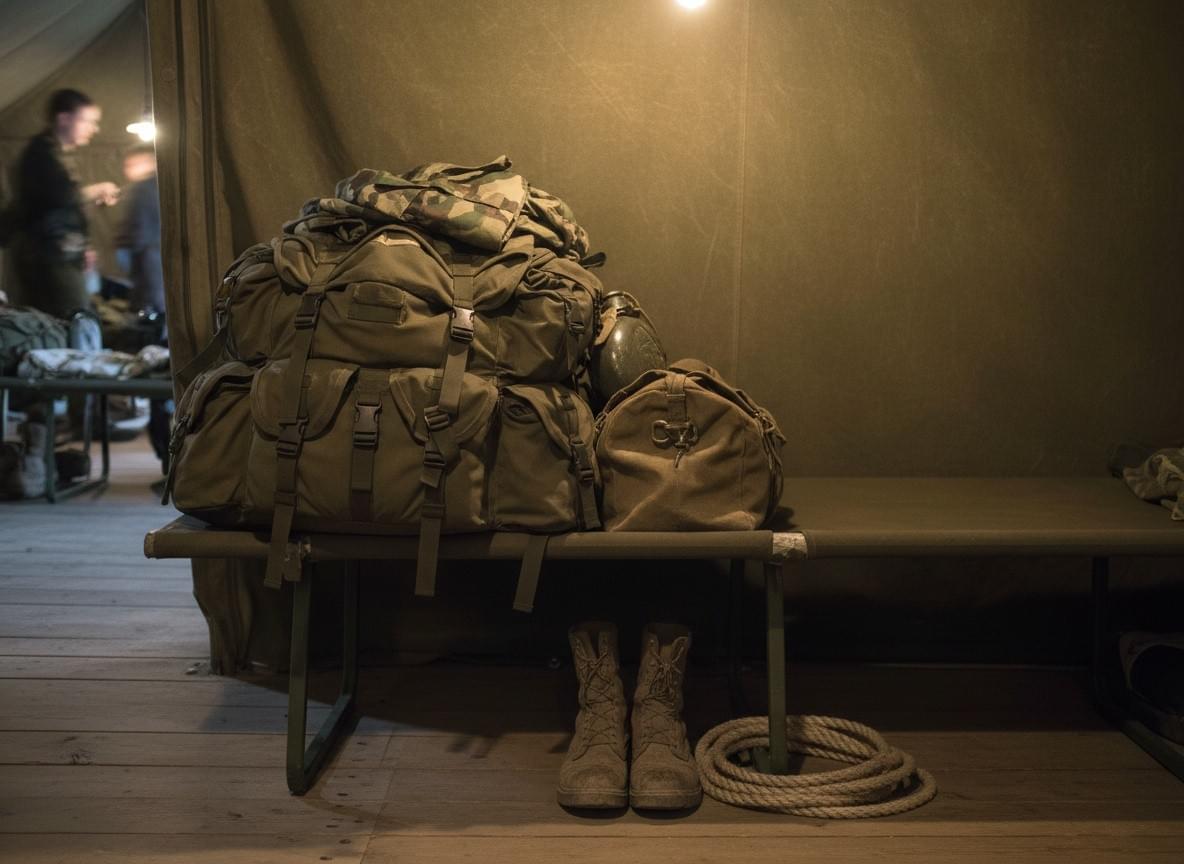
That’s the consciousness of service. Even during the weeks off, you belong to the army. Your bag is packed. Your gear is ready. Your phone is always on. The only time an Israeli reservist truly relaxes is when they leave the country, because a plane ticket buys you the one thing you can’t get domestically: distance from the next call-up.
I went into those three months thinking I’d contribute in a small way and come out with a story. I came out understanding something I couldn’t have learned from the outside. The IDF wins because of its soldiers, not its systems. The men and women in uniform compensate daily for institutional failures through sheer commitment to each other. The 99th Division carries that truth in every rotation.
I wouldn’t trade those three months for anything. If you want to understand what drives this work, read more about my story here.