
The biggest thing I learned in three months of service is something most Israelis already know but rarely say out loud: the IDF works because of the people inside it, not because of the institution around them.
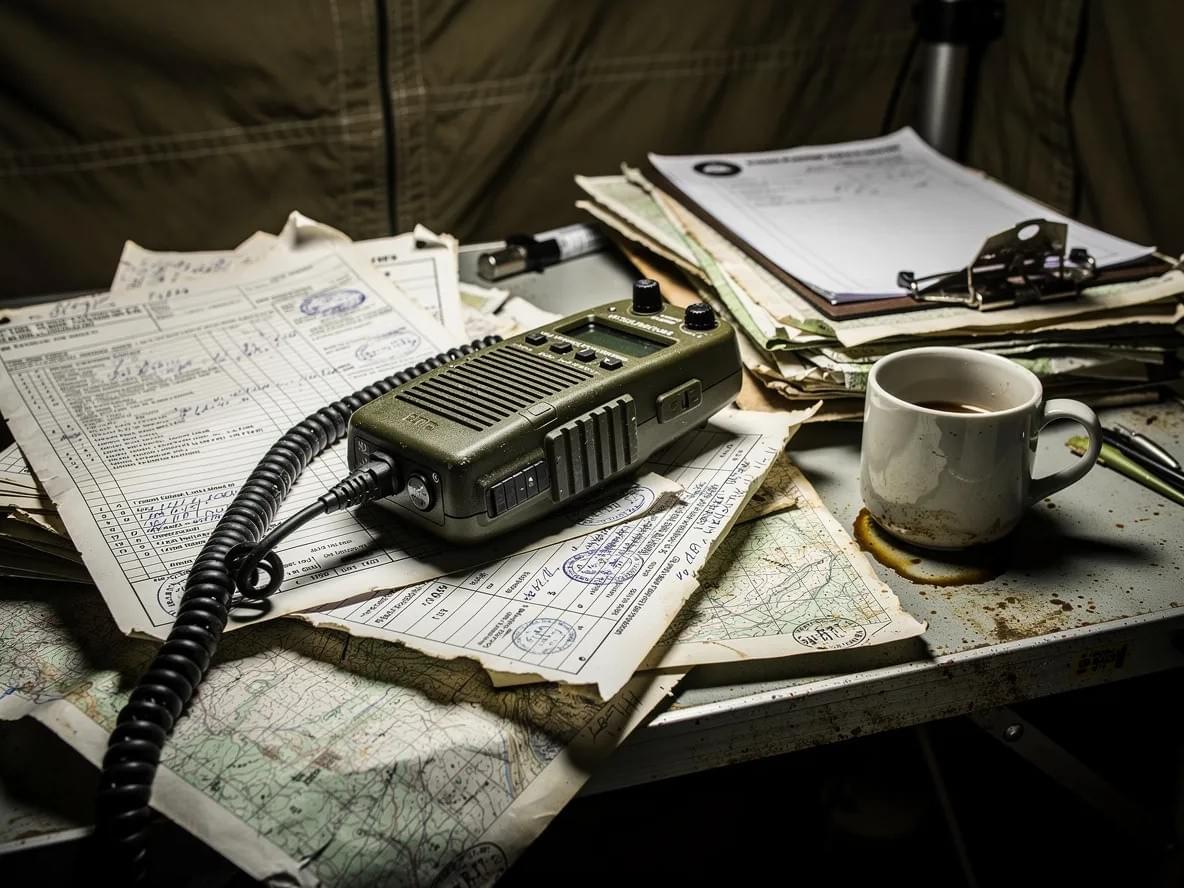
The bureaucracy is legendary. Multiply whatever you’ve experienced dealing with Israeli government offices by ten, and you’re getting close. A truck breaks down in Gaza. Six hours to get permission for a retrieval. Soldiers sitting exposed with minimal water while paperwork moves between desks. This unit needs a signature from that unit, which needs approval from a different division, which needs to confirm jurisdiction.
Meanwhile, every driver on base is standing in front of the commander saying: send me.
That gap between institutional response time and individual willingness defines the IDF more than any recruitment poster or press conference. The soldiers don’t wait for the system to catch up. They find ways around it, through it, or simply ignore it when lives are at stake.
There are politics within divisions. Disputes about credit. Arguments about resources and priorities. That exists in every military in the world. But when it matters, when someone is stuck in a broken truck in hostile territory or when a ceasefire triggers heightened risk, the politics disappear. What remains is a simple calculation: my brother needs me, and I’m going.
I watched this happen repeatedly during my service near Gaza. Soldiers from different units helping each other without being asked. Guys volunteering for tasks outside their assignment because the task needed doing. A logistical support team that was supposed to stay on base finding ways to contribute inside Gaza because they saw needs that weren’t being met.
The system didn’t create that. Israeli culture created that. Families created that. Communities that raise their kids to understand service created that. Organizations like the Brothers and Sisters in Arms movement have documented how that spirit of mutual responsibility runs through every level of Israeli society.
People outside Israel see the IDF as a military machine. People inside it know the truth. It’s a collection of individuals who refuse to let each other down, operating within a framework that frequently makes their job harder than it needs to be.
The army is flawed. The soldiers are extraordinary. That combination somehow produces results. And the soldiers deserve to be recognized for carrying a burden the institution should be carrying for them. Support the soldiers who make the difference.