
The news broke. US and Iran were escalating. Satellites picked up movement. Analysts were talking. Twitter was on fire. And I was sitting on my couch in Modiin, watching the Olympics, with my phone face-up on the coffee table.
That’s the position. That’s where every reservist in Israel lives now. One hand on your family, one eye on your phone.
You develop a split consciousness. Half of you is present, answering questions about dinner, pretending the evening is normal, keeping your voice steady when your wife looks at you because she’s reading the same headlines. The other half is running scenarios. Rockets only, or ground troops. Southern front, northern front, or both. Will Hezbollah open up from Lebanon. Will the West Bank ignite. Will Gaza, barely contained under a fragile ceasefire, blow apart again.
The scenarios run on a loop because the information comes in fragments. A WhatsApp message from a guy in your unit. A vague update from a news app. A rumor from someone whose brother-in-law works in intelligence. None of it is confirmed. All of it matters.
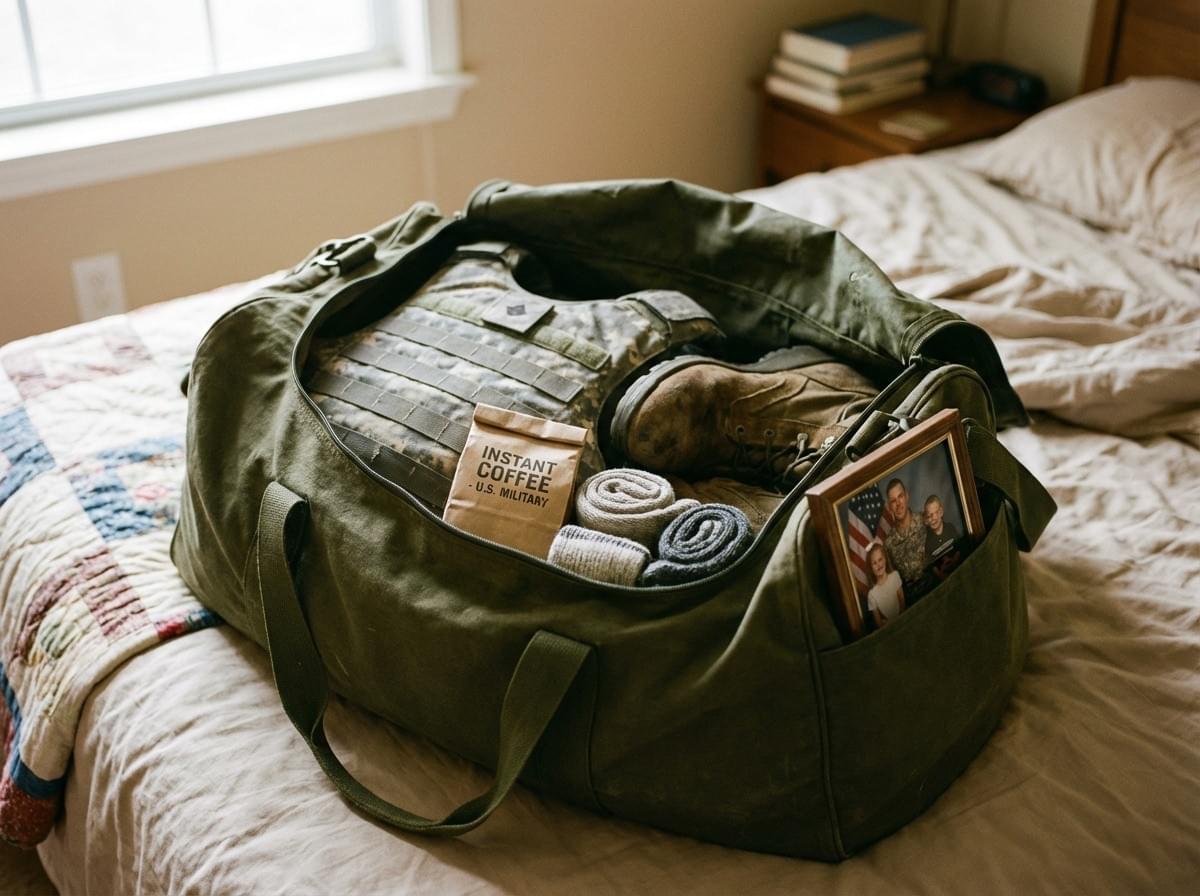
Your bag is packed. It has been packed since the last time you came home. Ceramic vest, helmet, boots, extra socks, the specific brand of coffee that got you through your last deployment. The bag sits in the closet like a second life folded into a duffel, waiting to be unzipped.
Your kids know what the bag means. The older ones, at least. They’ve seen you leave before. They know the routine: Dad gets quiet, Dad checks his phone more than usual, Dad has a conversation with Mom behind a closed door, and then one morning the bag is gone and so is Dad.
The younger ones just know something is different. They feel the tension even when you think you’re hiding it. Kids are better sensors than any military intelligence apparatus. They pick up on the extra hug at bedtime, the way you linger at their door a few seconds longer, the fact that you said yes to ice cream on a school night without being asked twice.
The hardest part is the waiting. War is terrifying, but at least it has direction. You move. You act. You follow orders and training and instinct. Waiting has none of that. Waiting is just sitting with every possible future playing out in your head while you pretend to care about a Netflix show.
Your wife handles it differently. She has her own version of the packed bag. Emergency supplies organized. Phone numbers listed. A plan for the kids if sirens go off. She’s done the math on how fast she can get to the shelter. She knows which neighbor has the key to the reinforced room. She carries all of that silently, because when a father serves in the IDF, his entire family serves alongside him.
You talk about it. Or you don’t. Some couples have the conversation every time tensions rise. Others operate on an unspoken agreement: we both know what might happen, and talking about it won’t change anything. Both approaches are valid. Neither one makes it easier.
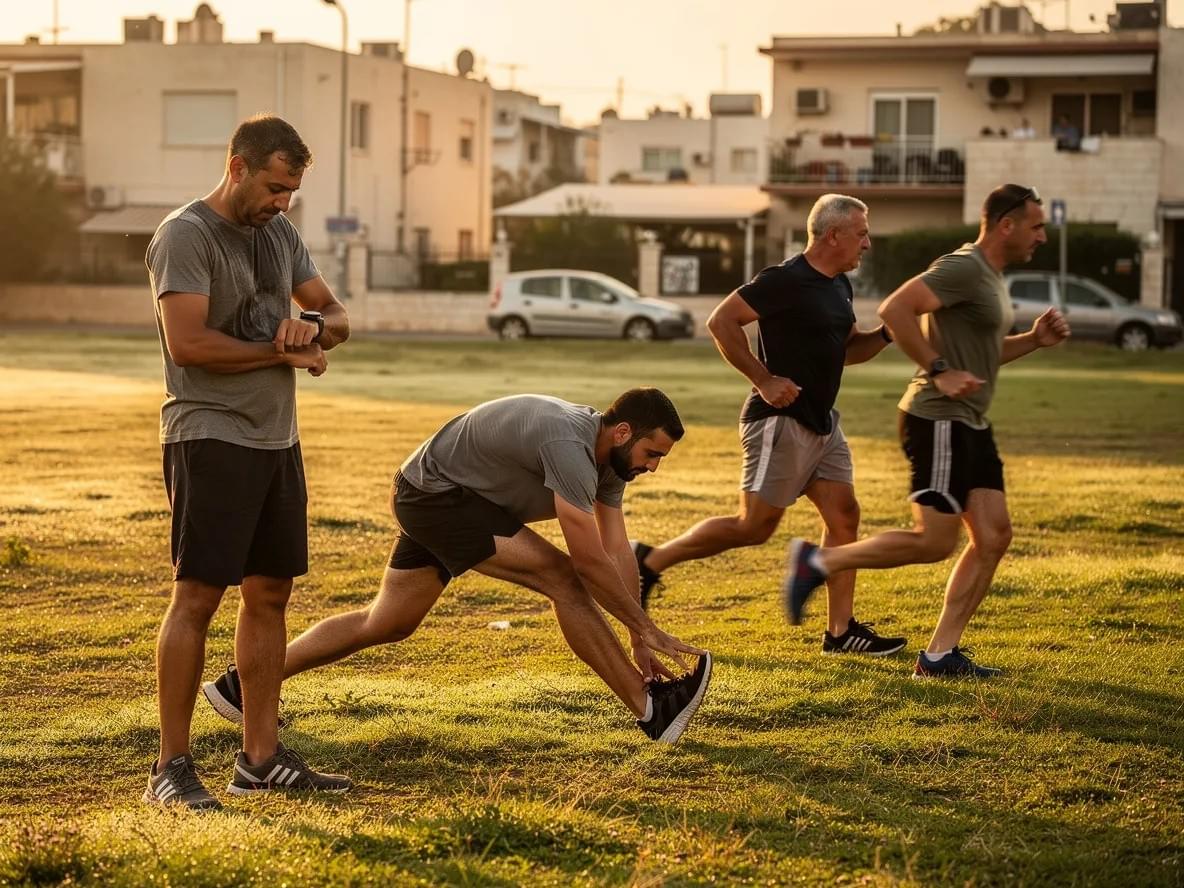
The army wants you ready, and ready has a specific definition: able to report within hours, equipped, mentally prepared, physically capable.
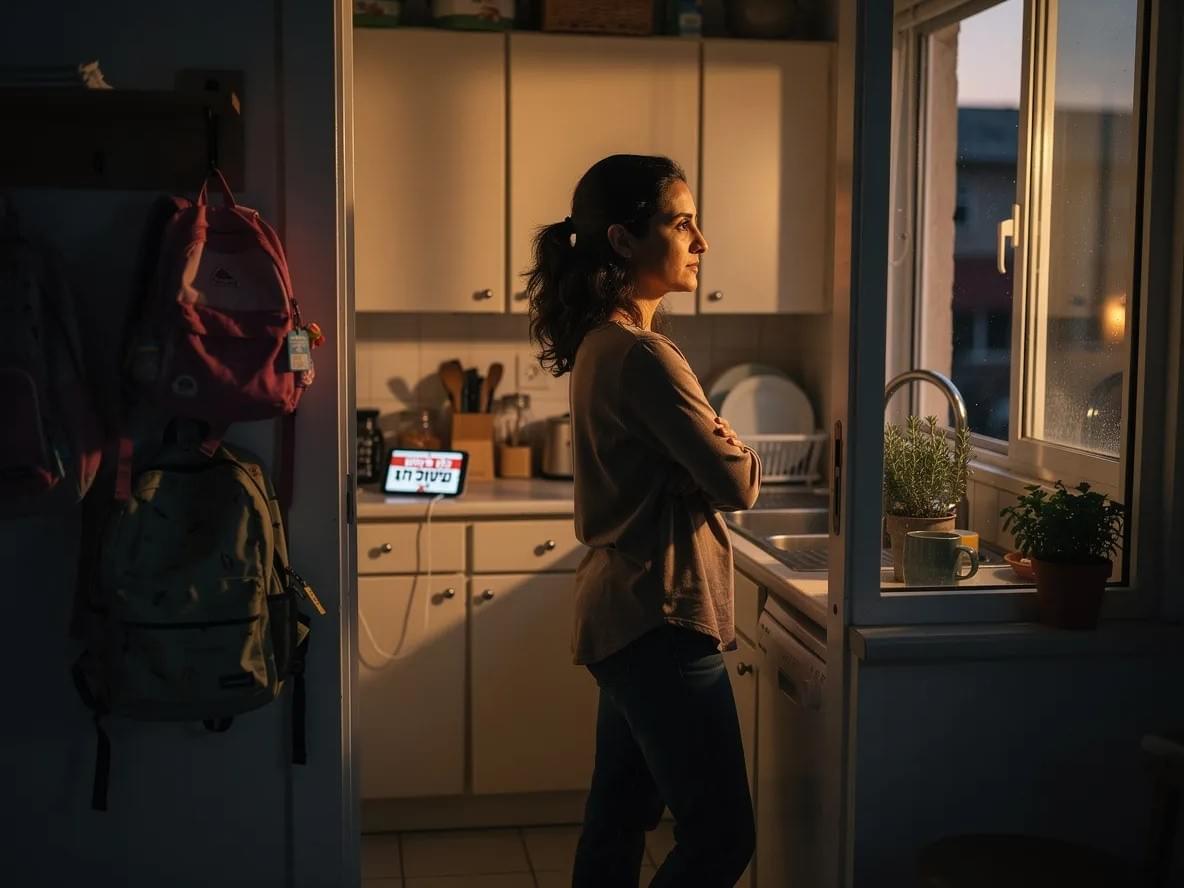
Mentally prepared is the part they can’t really train for. You can run scenarios and practice drills, but nobody can prepare you for the moment when the message actually comes. The vibration in your pocket that turns your stomach because you know, before you even look, that this one is different from the hundred false alarms that came before it.
Some guys handle the anticipation by over-preparing. They check their gear daily. They watch every briefing. They stay in constant contact with their unit commander. Others cope by compartmentalizing so completely that they seem disconnected until the moment they need to switch on. Neither approach is right or wrong. Both get the job done.
The reservists I know don’t talk about fear in the way you might expect. They talk about logistics. Who will drive the kids to school. Whether the business can survive another absence. If the client will wait or find someone else. Whether the mortgage payment will go through if the deployment runs long.
Fear is a luxury for people who have time to sit with it. Reservists have checklists.
The Iran situation adds a layer that previous conflicts didn’t carry the same way. Rockets from Gaza are terrifying but geographically contained. A regional escalation involving Iran, Hezbollah, and potentially multiple fronts simultaneously creates variables that no checklist covers. The distance between “heightened alert” and “full mobilization” can collapse in minutes. Every reservist knows this. Every family knows this.
So we wait. We keep our phones charged and our bags packed. We go to work and coach little league and argue about who left the milk out. We live normal lives inside an abnormal reality, because that’s what Israeli reservists have always done.
We prepare for the worst and function in the present. We hold our kids tighter on the nights when the headlines are louder. We check the group chat one more time before we fall asleep. And we trust that when the call comes, the training will take over and the instinct will kick in and we’ll do what we’ve always done.
Show up. Serve. Come home.
That’s the prayer, anyway. That’s always the prayer.
If you want to support the reservists and families living in this reality every day, visit Smiles for Chayalim.